Home › Quran for Kids
Quran for Kids
Live one-on-one Quran lessons for children aged 4 to 15 — from the first Arabic letters to fluent reading with Tajweed, at a pace your child can keep.
Live 1-on-1 Lessons • Male & Female Tutors • Kids & Adults
A Quran for Kids Plan That Fits the Student
Live one-on-one Quran lessons for children aged 4 to 15 — from the first Arabic letters to fluent reading with Tajweed, at a pace your child can keep.
- One-on-one lessons — the whole 30 minutes belongs to one child
- A clear path: Noorani Qaida, then reading, then Tajweed
- Male or female tutor, as your family prefers
What Is Quran for Kids?
Quran for Kids is live one-on-one Quran teaching for children, delivered online by video call. A tutor works with one child at a time — starting from the child's actual level, whether that is the Arabic alphabet, joining letters, or reading full pages — and follows a clear path: Noorani Qaida, then fluent reading, then Tajweed, with Hifz as an option later on.
Most Muslim parents living in the USA, UK, Canada or Australia face the same problem: there is no qualified Quran teacher nearby, and the local weekend school is a long drive away. Children learn best with a teacher who knows them — their level, their pace, and what they find hard. That is what one-on-one online lessons give them.
A child's Quran lesson should feel calm, not rushed. Thirty minutes is long enough to learn something new and practise it, and short enough for a young child to stay focused. The tutor starts each lesson with a short revision of the last one, teaches one new idea, and finishes with practice the child can do on their own.
Parents stay involved. You are welcome to sit in on the first lesson, and you get a monthly report on what your child has covered, what they do well, and what to work on next. The tutor and the parent agree the plan together — the child just has to turn up and learn.
How Quran Lessons Work for Kids
Every child starts with a free trial lesson. In that lesson the tutor finds out what the child can already do — whether they know the Arabic letters, can join them into words, or can already read a page. That tells the tutor exactly where to start, so no time is wasted on things the child already knows.
Lessons follow a simple rhythm. The tutor shows the new idea, the child tries it with help, then tries it alone. Mistakes are corrected gently, in the moment, while they are still small. The last few minutes are for revision — reading back what was learned, so it is still there next week.
- A free trial lesson first, so the tutor can find the child's level
- 30-minute lessons, usually 2 to 5 times a week
- One new idea per lesson, with revision at the start and the end
- The same tutor and the same time each week, so the child settles in
The Learning Path: Qaida to Tajweed
Children who cannot read Arabic yet start with Noorani Qaida — the Arabic alphabet, the sounds each letter makes, and how letters join together. This is the foundation. A child who rushes past it will struggle later, so the tutor takes the time it needs.
Once the child can read words, lessons move to reading the Quran itself — short verses at first, then longer passages, with the tutor correcting pronunciation as they go. When reading is fluent, Tajweed rules are added one at a time: the rules that change how a letter sounds, and why. Hifz — memorisation — is an option for children who want it, and only when their reading is ready.
- Noorani Qaida: the alphabet, letter sounds and joining letters
- Reading: short verses first, then longer passages from the Quran
- Tajweed: rules added one at a time, once reading is fluent
- Hifz: memorisation as an option later, never forced early
Keeping Children Safe in Online Lessons
Children's safety comes first in every lesson. Lessons happen on a video call, and a parent is welcome to be present — especially for younger children. The tutor teaches the lesson and nothing else: there is no private messaging with the child outside the lesson, and no contact outside the arranged lesson time.
Tutors who teach with us must hold an Ijazah or an equivalent qualification, be interviewed before their first lesson, and have their qualifications checked. Parents are told honestly what has been checked, and what has not. If anything about a lesson ever concerns you, tell us — we will change the tutor or the arrangement, not argue about it.
- Lessons on video call, with a parent welcome to sit in
- No private contact between tutor and child outside lessons
- Tutors interviewed and qualifications checked before teaching
- Monthly progress reports, so parents always know what is happening
Signs Your Child Is Ready for Quran Lessons
- Your child is 4 or older and curious about the Quran
- There is no qualified Quran teacher near your home
- Weekend school is too far, or the timing does not fit
- Your child started learning but stopped, and the basics faded
- Your child can read a little, but the pronunciation needs work
- You want your daughter taught by a female tutor
What Quran for Kids Includes
- A free 30-minute trial lesson to find the child's level
- Live one-on-one lessons, 30 minutes, on video call
- Noorani Qaida, reading and Tajweed, in a clear order
- Practice work between lessons, kept short enough to happen
- A monthly progress report for parents, in plain language
How Quran for Kids Works
Free Trial Lesson
One free 30-minute lesson. The tutor meets your child, finds their level, and shows you how lessons work.
Assessment
A short check of what the child can already do — letters, joining, reading — so the plan starts in the right place.
The Plan
Lessons built around the child's level, with a regular time each week and the same tutor.
Lessons and Reports
Weekly lessons with practice between them, and a monthly report so you can see the progress.
Ways Your Child Can Learn

ONE-ON-ONE
A tutor and a child, focused on one plan. The most direct way to learn to read the Quran.
Good for: Children who need focused help, or are starting from the beginning
Explore →
ONLINE
Lessons by video call with a shared screen. Flexible, and no travel.
Good for: Most families — children learn well on a video call
Explore →FOR KIDS
Lessons built for children aged 4 to 15, with short sessions and patient teaching.
Good for: Children of all ages, from beginners to fluent readers
Explore →
FAMILY
Brothers and sisters can each have their own tutor and time, on one family plan.
Good for: Families with more than one child learning
Explore →Common Mistakes
- Starting with memorisation before the child can read properly
- Long lessons that tire a young child out
- Skipping revision, so last week's learning fades
- Choosing a tutor on price alone instead of the right fit
Who Is Quran for Kids For?
Quran for Kids suits Muslim children aged 4 to 15 in the USA, UK, Canada and Australia — complete beginners who cannot read Arabic yet, children who can read a little and need to improve, and children who read well and are ready for Tajweed or Hifz. It also suits families who moved recently and lost their local teacher, and families whose children go to weekend school but need one-on-one help as well.
What Affects the Cost of Quran for Kids?
Quran for Kids costs $36 a month for 2 lessons a week, $54 a month for 4 lessons a week, or $81 a month for 5 lessons a week. Every lesson is 30 minutes, live and one-on-one. The first lesson is a free trial, with no payment details needed. Families with more than one child can arrange separate tutors and times — ask us about it in the trial booking. See the full pricing page for details.
How to Choose the Right Tutor
Look for a tutor who starts by listening to your child read, even for a few minutes. A good first lesson is mostly questions and gentle checking: what the child knows, what they find hard, and what they enjoy. Ask how the tutor teaches beginners, how progress is shared with parents, and what happens if the first tutor is not the right fit. The right tutor is patient, clear, and makes the child want to come back.
Related Tutoring
Noorani Qaida
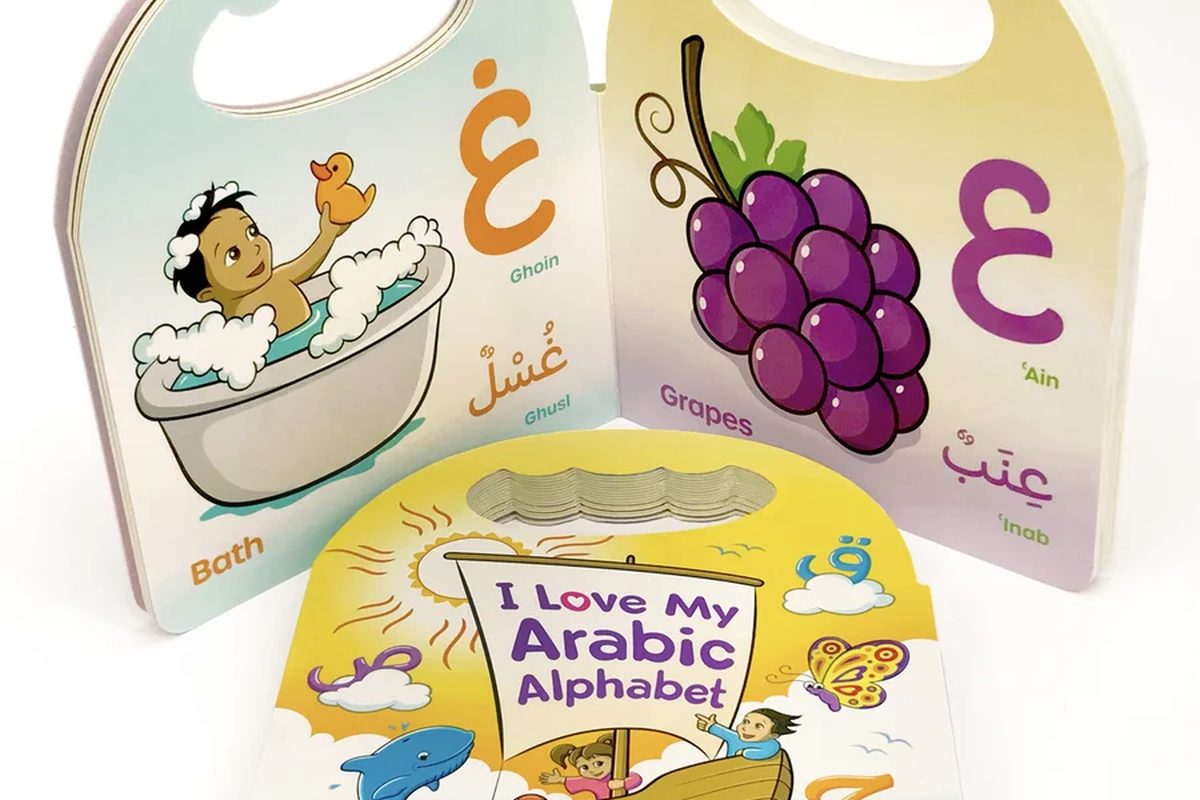
Noorani Qaida is the first step in learning to read the Quran: the Arabic alphabet, the sounds each letter makes, and how letters join into words.
Explore →
Tajweed
Tajweed is the set of rules that govern how the Quran is recited. A tutor listens to your recitation, finds the mistakes, and corrects them one rule at a time.
Explore →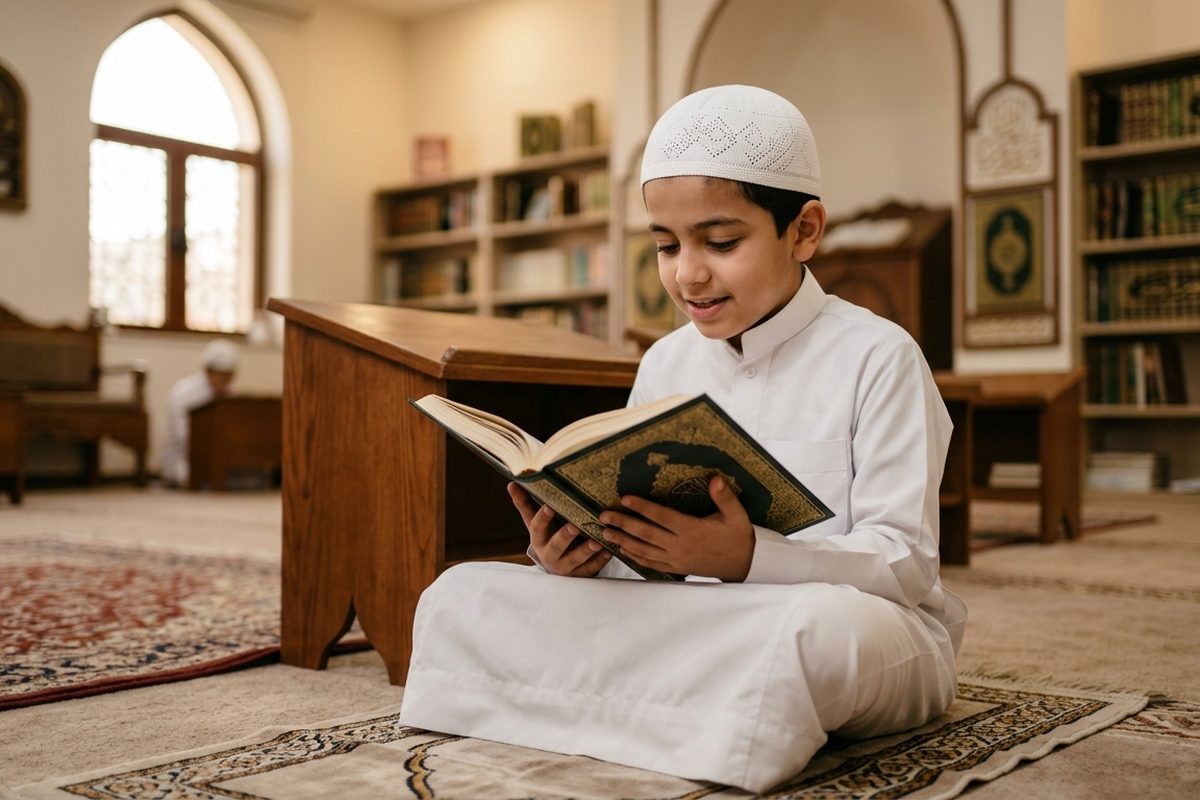
Hifz
Hifz is the memorisation of the Quran. A tutor sets your daily portion, listens to your recitation, and keeps your revision on track — so what you memorise stays memorised.
Explore →Frequently Asked Questions
What age can my child start learning the Quran online?
Most children start between 4 and 6, when they can sit and focus for 30 minutes. Younger children can start with the Arabic alphabet, and the pace is set by the child — there is no rush. Older children and teenagers can start at any age, at whatever level they are.
How long are the lessons for kids?
Every lesson is 30 minutes, live and one-on-one on a video call. Thirty minutes is long enough to learn and practise, and short enough for a young child to stay focused. Families choose 2, 4 or 5 lessons a week.
Can I choose a female tutor for my daughter?
Yes. Tell us in the trial booking form that you would like a female tutor, and we will arrange it. The same applies if you would like a male tutor for your son.
Can I sit in on my child's Quran lesson?
Yes — parents are welcome to sit in on the first lesson, and on any lesson after that. For younger children we expect a parent to be nearby. Lessons happen on video call, and there is no private contact between tutor and child outside the lesson.
What if my child does not like the first lesson?
That happens sometimes, and it is useful to know why. Tell us what did not work — the pace, the tutor's style, or the time of day — and we will change it, rather than repeat the same lesson. Most children settle in after one or two lessons once the tutor and the time fit them.
Do you teach Hifz to children?
Yes, but only when the child's reading is ready. A child who cannot read fluently yet should learn to read first — memorising before reading usually leads to mistakes that are hard to fix later. The tutor will tell you honestly when your child is ready for Hifz.