Home › Tajweed
Tajweed
Tajweed is the set of rules that govern how the Quran is recited. A tutor listens to your recitation, finds the mistakes, and corrects them one rule at a time.

Live 1-on-1 Lessons • Male & Female Tutors • Kids & Adults
A Tajweed Plan That Fits the Student
Tajweed is the set of rules that govern how the Quran is recited. A tutor listens to your recitation, finds the mistakes, and corrects them one rule at a time.
- One-on-one Tajweed lessons, live on video call
- Correction of your actual recitation, not just theory
- Rules taught one at a time, with practice on real verses
What Is Tajweed?
Tajweed is the science of reciting the Quran the way it was revealed — with each letter pronounced from its correct place, with its correct qualities, and with the rules that govern lengthening, stopping and joining. A Tajweed tutor listens to you read, points out exactly where the recitation goes wrong, and teaches the rule behind the correction, so you can read correctly on your own.
Many people can read the Quran but know their recitation is not quite right. Letters that sound alike get mixed up. Words are stretched too long, or cut short. The reading sounds flat, and the reader cannot say why. Tajweed fixes this — not by memorising a list of rules, but by training the ear and the tongue together.
A Tajweed lesson is mostly listening and reading. The tutor listens while you read a few verses, then stops at the first mistake and explains it: this letter comes from the throat, not the tongue; this sound is lengthened for two counts, not four; this is where you pause. Then you read the verse again, correctly. Over weeks, the corrections become habits, and the recitation starts to sound right.
Tajweed is learned slowly, rule by rule. A tutor who tries to teach everything at once will only confuse the student. The right order is: fix the letters first, then the lengthening, then the rules of stopping and starting — and practise each one on real verses from the Quran, not on made-up exercises.
What Tajweed Lessons Cover
Tajweed lessons cover the rules that shape recitation. First come the letters themselves — makharij, the places each letter comes from, and sifat, the qualities that make similar letters different. A student who confuses two letters is usually pronouncing one of them from the wrong place, and the fix is to feel where the sound is made.
Then come the rules that govern how letters behave together: the lengthening of vowels (madd), the nasal sound (ghunnah), the merging and hiding of letters (idgham and ikhfa), and the rules for stopping and starting (waqf). Each rule is taught on verses where it actually appears, so the student sees why it matters.
- Makharij: where each Arabic letter is pronounced from
- Sifat: the qualities that separate similar-sounding letters
- Madd, ghunnah, idgham and ikhfa — the rules that shape the sound
- Waqf: where to stop, where to continue, and why
How a Tajweed Lesson Works
A lesson starts with revision: the student reads a few verses from the last lesson, and the tutor checks whether the corrections from last time have held. Then the tutor teaches one new rule, or goes deeper on a rule the student is still getting wrong.
Most of the lesson is the student reading aloud while the tutor listens. The tutor stops the student at mistakes, explains the rule, and has the student read the verse again. The lesson ends with practice for the week — a short passage to read every day, with the rules marked, so the new habit has a chance to settle.
- Start with revision of the last lesson's corrections
- The student reads aloud while the tutor listens carefully
- Each mistake is explained with the rule behind it
- End with a short daily passage to practise the new rule
Common Tajweed Mistakes
The most common mistake is rushing. A student who reads fast skips the lengthening, swallows the nasal sounds, and runs words together. Tajweed cannot be learned at speed — the tutor will slow the student down until the rules are in place, and speed comes later, on its own.
The second common mistake is learning rules without practice. A student can name every rule and still read wrong, because the mouth has not learned what the mind knows. That is why Tajweed lessons are mostly reading aloud, not studying a book about Tajweed.
- Reading too fast, so lengthening and nasal sounds disappear
- Knowing the rules by name but not applying them while reading
- Mixing up letters that sound alike, like similar throat letters
- Stopping in the wrong place and changing the meaning of a verse
Signs You Need a Tajweed Tutor
- You can read the Quran but are not sure the pronunciation is right
- People have told you your recitation has mistakes
- You mix up letters that sound alike
- You learned the rules once but cannot apply them while reading
- You want to teach your children and need your own recitation right first
- You read fluently but the recitation sounds flat or rushed
What Tajweed Lessons Include
- A free 30-minute trial lesson to hear your recitation and find the gaps
- Live one-on-one lessons, 30 minutes, on video call
- Correction of your actual reading, rule by rule
- A short daily passage to practise between lessons
- A monthly progress report on what has improved
How Tajweed Works
Free Trial Lesson
One free 30-minute lesson. The tutor listens to your recitation and finds where the mistakes are.
Assessment
A short check of letters, lengthening and stopping — so the plan starts with your real gaps.
The Plan
Lessons built around the rules you need, with a regular time each week and the same tutor.
Lessons and Reports
Weekly lessons with daily practice, and a monthly report on what has improved.
Ways to Learn Tajweed

ONE-ON-ONE
A tutor listening to your recitation and correcting it in the moment. The only way Tajweed is really learned.
Good for: Anyone who wants their recitation corrected properly
Explore →
ONLINE
Lessons by video call — the tutor hears every sound clearly and can correct you at once.
Good for: Most students — Tajweed works well on a video call
Explore →
FOR KIDS
Tajweed for children who read fluently, taught patiently and one rule at a time.
Good for: Children who can read and are ready for correct recitation
Explore →
FOR ADULTS
Tajweed for adults of any level, including those who learned to read years ago.
Good for: Adults who want to fix long-standing mistakes
Explore →Common Mistakes
- Trying to learn every Tajweed rule at once
- Reading fast before the rules are in place
- Studying Tajweed from a book without reading aloud to a teacher
- Practising mistakes — repeating a wrong sound until it feels right
Who Is Tajweed For?
Tajweed lessons suit anyone who can already read the Quran and wants to recite it correctly — children who read fluently and are ready for the rules, adults who learned to read years ago and know their recitation has mistakes, and parents who want to correct their own recitation before teaching their children. Complete beginners should start with Noorani Qaida and reading first, and move to Tajweed when their reading is fluent.
What Affects the Cost of Tajweed?
Tajweed lessons cost $36 a month for 2 lessons a week, $54 a month for 4 lessons a week, or $81 a month for 5 lessons a week. Every lesson is 30 minutes, live and one-on-one. The first lesson is a free trial, with no payment details needed. See the full pricing page for details.
How to Choose the Right Tutor
Look for a Tajweed tutor who listens to you read in the first lesson and corrects you straight away. A good tutor names the rule behind each correction, and has you read the verse again correctly. Ask how the tutor orders the rules — the answer should start with the letters, not with the hardest rules. If the tutor only talks about Tajweed and never asks you to read, find another tutor.
Related Tutoring
Quran for Kids
Live one-on-one Quran lessons for children aged 4 to 15 — from the first Arabic letters to fluent reading with Tajweed, at a pace your child can keep.
Explore →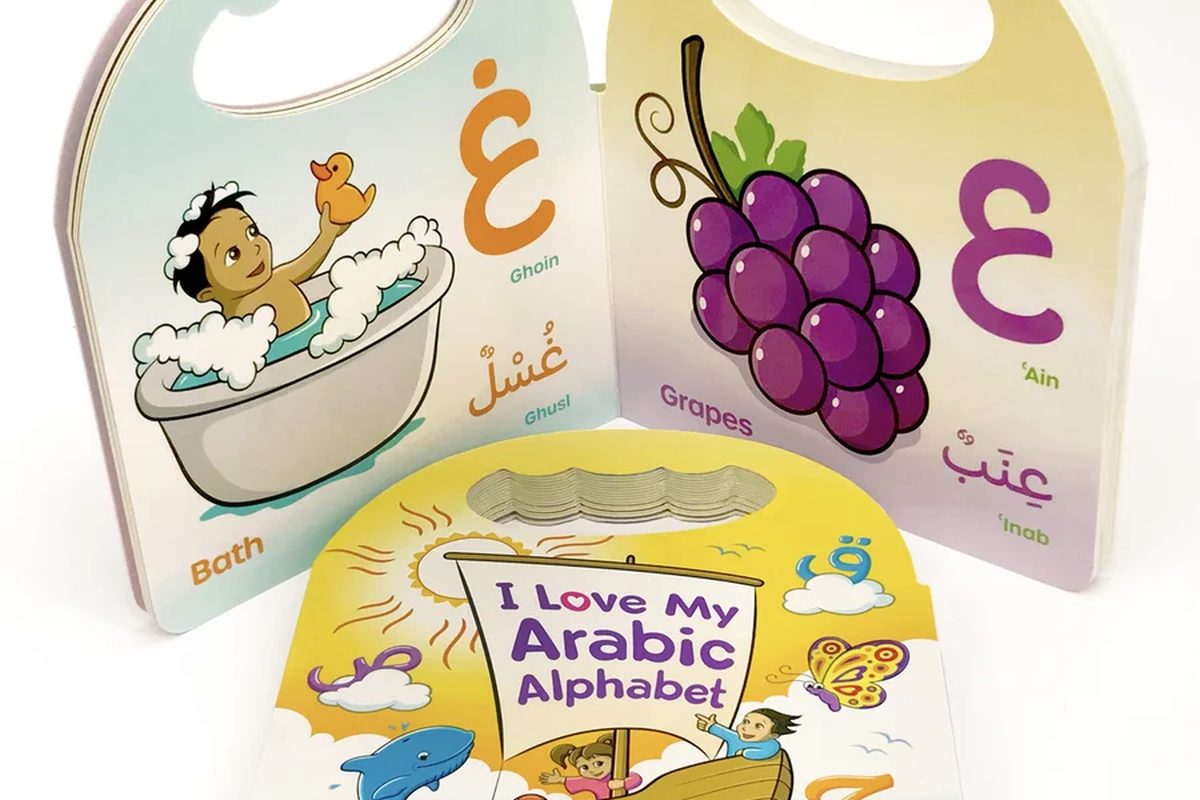
Noorani Qaida
Noorani Qaida is the first step in learning to read the Quran: the Arabic alphabet, the sounds each letter makes, and how letters join into words.
Explore →
Hifz
Hifz is the memorisation of the Quran. A tutor sets your daily portion, listens to your recitation, and keeps your revision on track — so what you memorise stays memorised.
Explore →Frequently Asked Questions
What is Tajweed?
Tajweed is the set of rules for reciting the Quran correctly — pronouncing each letter from its right place, with its right qualities, and following the rules for lengthening, stopping and joining. It is how the Quran was revealed, and how it should be read.
Do I need to know how to read before learning Tajweed?
Yes. Tajweed corrects recitation, so you need to be able to read the words first. If you cannot read yet, start with Noorani Qaida and reading lessons, and move to Tajweed when your reading is fluent.
How long does it take to learn Tajweed?
It depends on how much needs correcting. A student with a few mistakes can see clear change in a few months of steady lessons. A student with many long-standing mistakes needs longer — usually a year or more of regular lessons and daily practice. Tajweed is learned slowly, rule by rule.
Can Tajweed be learned online?
Yes — Tajweed works well online, because the tutor hears your recitation clearly on a video call and can correct you in the moment. The tutor listens while you read, stops you at mistakes, and has you read the verse again correctly.
What is the difference between reading and Tajweed?
Reading is knowing the letters and words. Tajweed is reading them correctly — each letter from its right place, with the right length, the right nasal sound, and the right stops. A person can read fluently and still need Tajweed.
Will my tutor correct me during the lesson?
Yes — that is the whole point of a Tajweed lesson. The tutor listens while you read, stops you at mistakes, explains the rule, and has you read the verse again. Without correction, mistakes become habits.